The Role and Importance of Meeting Room Designs in the Modern Business World

Meeting room design carries the course of a session. Focus can be held in a carefully set room; “maximum output” is not promised. Excess ornament pulls the eye off the table. A plain wall language is not the table’s rival — it is its support.
Firms put work into this room because a company decision, a product meeting and a project are talked through here. The more the design is written to the work, the clearer the exchange. In the modern business world the meeting room is also pulled into a current layout: the screen is built in, the cable disappears, light is set scene by scene.
How to Design a Meeting Room That Can Hold Work
For work output the room is written with an interior architect who knows the job. Part of a firm’s time is spent here; that is not exaggerated as “most of the day is in meetings”. Comfortable, ergonomic seating comes forward. Ornament that can distract is used enough, not to excess.
Serious decisions are taken at this table. A plain, spare language is preferred. Table and chair are chosen for a long sit and a decent posture. Furniture does not have to answer every need; a power channel, screen distance and a writing surface should be written. As Umut GÜRLER Interior Architecture - Ankara Interior Architecture we draw seating count first at survey, then the electrical run.
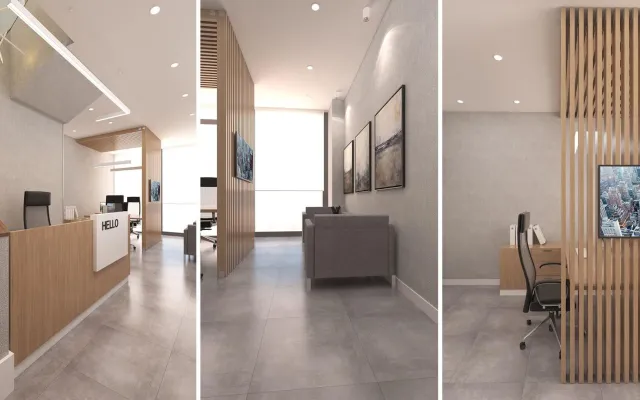
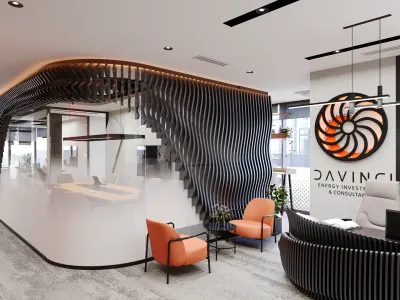
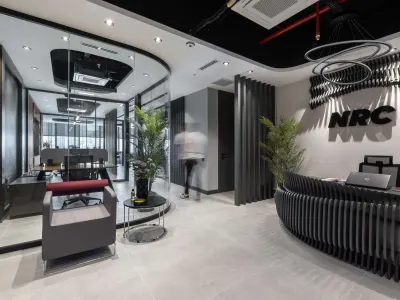
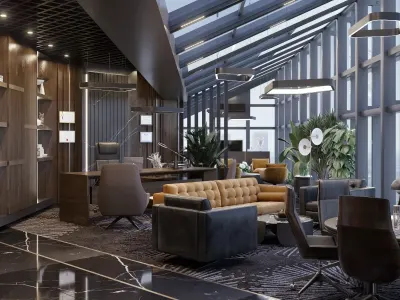
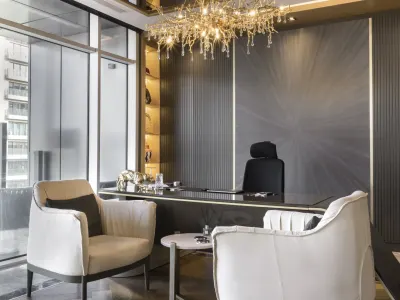
Current project: Construction Company Office Design


Construction Company Office Design
What to Watch in Meeting Room Design
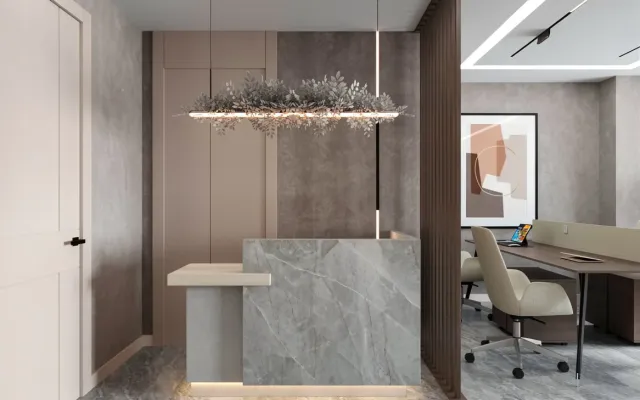
From the moment the door opens the room should read clean and airy. Ventilation and lighting are noticed in the first second. The floor the room occupies is planned with care; too much empty space and a cramped row both break focus.
Chair and table space are written for every participant. Ergonomic furniture is needed for a long sit. Many rooms are set in dark tones; a lively accent can lift output, but it is not sold as a “colour trick”. Energy comes from light and the warmth of materials; painting a wall is not enough to leave the ordinary behind.
How Meeting Rooms Affect Output in Offices
The meeting room is the office piece where production and planning are talked through. It cannot be ranked as “the area all staff use most”; it is a frequently used room. It does not set staff output on its own. Where collaboration and the exchange of ideas happen, the comfort of the sit carries satisfaction.
Feeling at ease can make a creative sentence easier; an original idea is not produced in every session. If a decision, a project and a daily delivery clash at the same table, the room splits into two modes. Rising competition does not mean every firm must renew the room; the layout that no longer fits the work rhythm is renewed. For design principles see meeting room design principles for productive meetings.