The Effect of Open Office Working Model on Creativity in Architecture and Design Studios

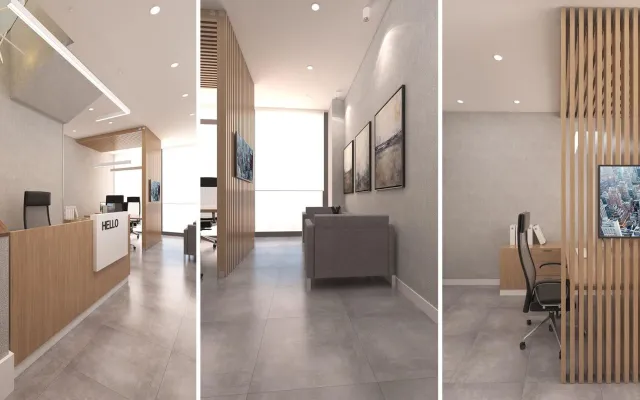
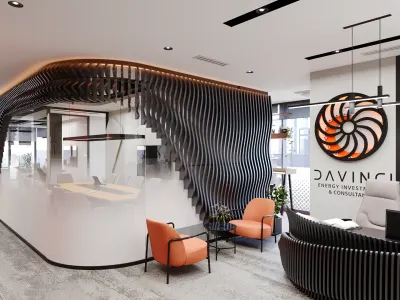
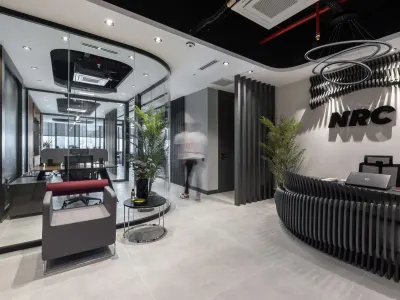
In architecture and design the working room is where creativity sits. A shift to an open-office model promises a culture of collaboration beyond the closed room. An open layout in the studio increases constant contact between colleagues; ideas change hands and grow on the drawing table.
In an open studio, architects and designers sit close to other disciplines. Views mix; an impromptu talk or a short brainstorm sometimes leads to a new line. A fluid exchange feeds camaraderie and grows shared ownership of the project. A hierarchical barrier drops. That spirit pushes the template — yet not every studio needs to copy the same hall. As Umut Gürler Interior Architecture — Ankara Interior Architecture we first write who draws next to whom on the studio floor.
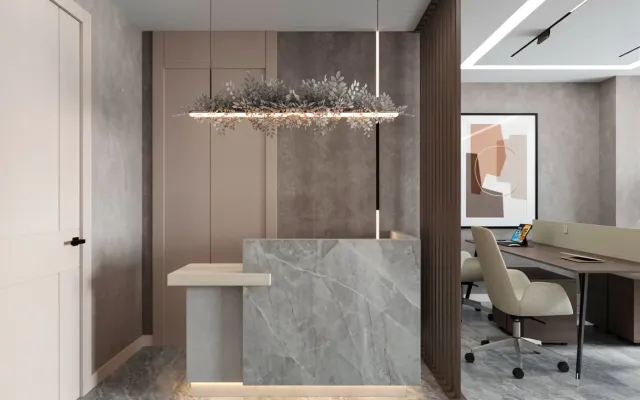
Current project: Tanıtek


Tanitek
Creativity and Focus in the Studio
While an open office grows collaboration, friction appears between creativity and individual focus. Architects and designers often need a solo hour and a quiet corner to take an idea deeper. If the studio has no balance, distraction shadows the drawing.
A working studio thinks of the shared table and the individual niche together. A meeting bay, a model table and a quiet zone should sit on the same diagram. Managing time and space is part of the open plan; otherwise constant meeting cuts production.
A shift to the open model is a real change in the studio. Fewer walls increase dynamic contact; general creativity can rise with that. That is not a ranking claim. As Umut Gürler Interior Architecture — Ankara Interior Architecture we set the studio to that balance.
The article on open-office trends in legal practice tells another professional rhythm. Studio and office work sit on the office projects page.