Minimalist Office Decoration: Nobility in Scarcity

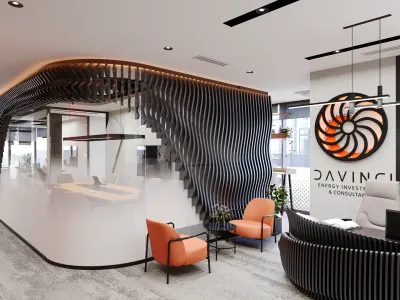
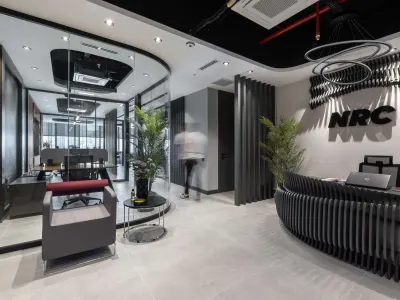
Minimalist office decoration is used to set a plain floor at work. A clean and open workplace is read in an empty desk top and a clear walking strip. The quiet language seen in homes also moves into the office; that does not mean every office must look the same.
Moving away from a piled look starts by taking out the piece that is not used. On a heavy workday many side units lengthen the search. Effective use of floor area is not the slogan “less is more output”; it is that each piece has a job.
Fewer Pieces, Clearer Work in Offices
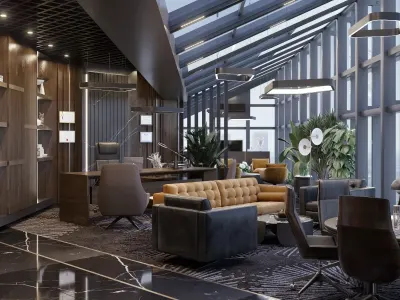
In an office with fewer pieces, empty floor and quiet are easier to hold. For a manager who wants a working office, a minimal language is a tool; it is not the only right model. On work that needs deep concentration, attention scatters with paper piled on the desk. That is why fewer side units are kept — it cannot be written that staff “will not lose focus”; clutter only grows the risk.
Collaboration is also set on a clear floor. In a chaotic room it is hard both to produce and to rest the mind. The fewer unused pieces remain, the clearer walking and sightlines stay. As Umut GÜRLER Interior Architecture - Ankara Interior Architecture we write first which work wants a desk, then which cabinet will stand.
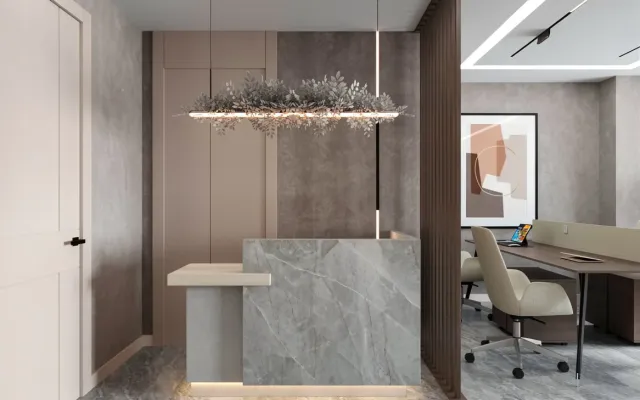
Current project: Cubes Ankara - Eb Ofis


Cubes Ankara - Eb Ofis
What Can Be Done to Design a Useful Office?
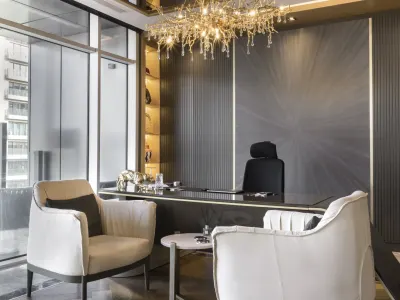
For staff and manager comfort a minimal office wants useful furniture. Material and colour of the chosen pieces should hold together. A pile on a personal desk breaks that person’s focus for the day. That is why a plain order is also kept in the individual area.
The other line is lighting. Daylight and artificial light are read together; neither is ranked as “very effective” on its own. For an open work floor, the desk top, the walking strip and the light sit on the same plan. For posture and sitting see ergonomic office furniture.