Minimalist Approach in Meeting Room Furniture: Balance of Function and Aesthetics

A minimalist approach to meeting-room furniture means fewer pieces, each with a job. An aesthetic look adds atmosphere; it is not a plan on its own. Working with an interior architect can speed the choice — it is not written as a guaranteed advantage. If function and look sit on the same diagram, seating and sightlines stay intact.
A manager who adopts minimalism looks for a quiet line in every piece. That does not mean staff output comes from the furniture. Comfort and being heard still have to be written into the few pieces. Speaking up comes from eye distance around the table, not from an empty wall.
Balancing Function and Look in the Meeting Room
The balance of function and look is built by choosing furniture that can live with fewer pieces. A comfortable room is where long decisions are taken. A quiet look is preferred; without function written first, style is not enough. Extra output is not promised.
On a fast, crowded day a practical piece helps: a stacking chair, a table that comes in two sizes, storage that stays out of sight. A minimalist line is common in meeting rooms; it cannot be ranked as indispensable. A surface that does not tire the eye and a piece that does more than one job can make focus easier. As Umut GÜRLER Interior Architecture - Ankara Interior Architecture we write seat count first at survey, then the finish.
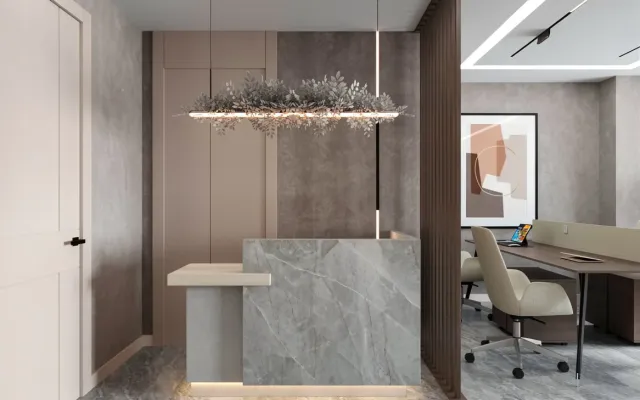
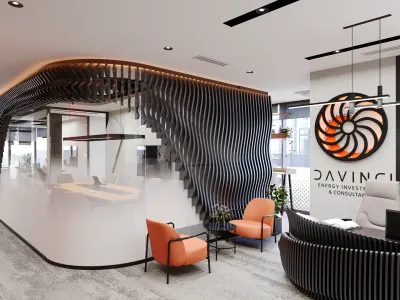
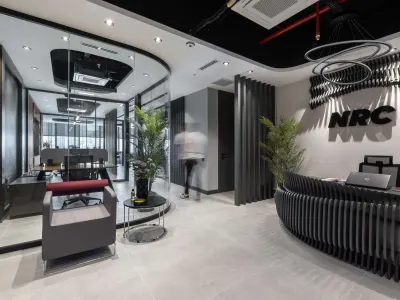
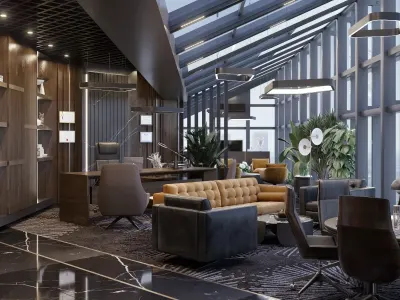
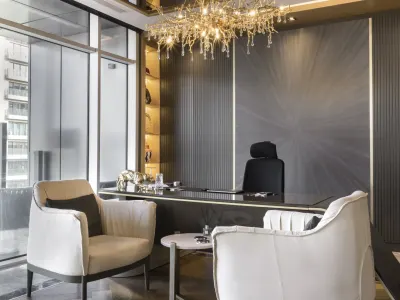
Current project: E. Murat Ofis


E. Murat Office
How a Meeting Room Is Actually Drawn
A meeting room is one of the rooms a company uses often; it is not written as “the most important space”. Duration and headcount are locked at the design stage. A colour that does not tire the eye, furniture that matches the office language and a quiet line keep the gaze from scattering.
Lighting is set without killing daylight; the room light changes tiredness. Collaboration and the exchange of ideas become possible when seats can see each other. Objects that pull attention are kept out. Working with a good interior architect can improve the result; it does not produce the same result on every project. For the colour layer see colour psychology in meeting rooms.