

How Should Minimalist / Simple Office Designs Be?

A clean, spare office holds focus not because it looks airy, but because fewer decisions sit in the room. The minimal line is common at home; in an office it also keeps the workspace quiet. Below are the traits of the style and practical notes for a spare work area. There is no ranking.
What Marks a Minimalist Office?
- In architecture the aim is a readable effect with fewer pieces.
- Every layer stays spare so the lived area feels larger.
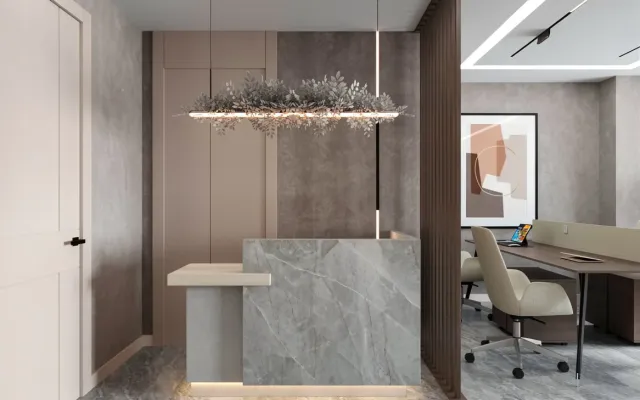
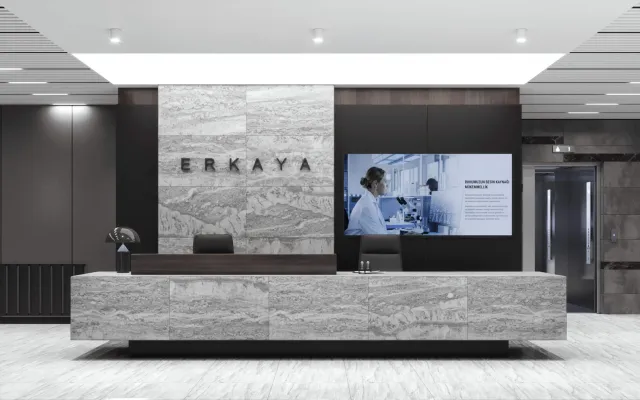
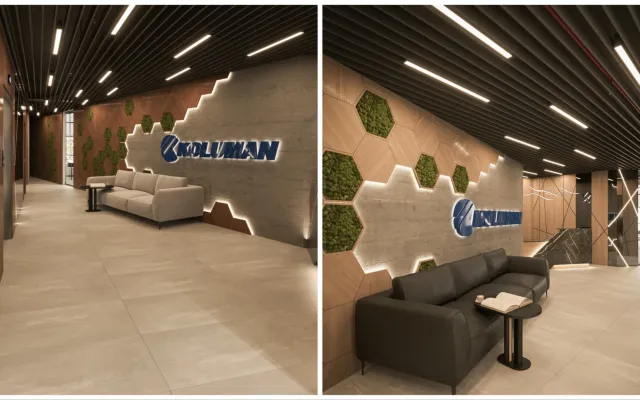
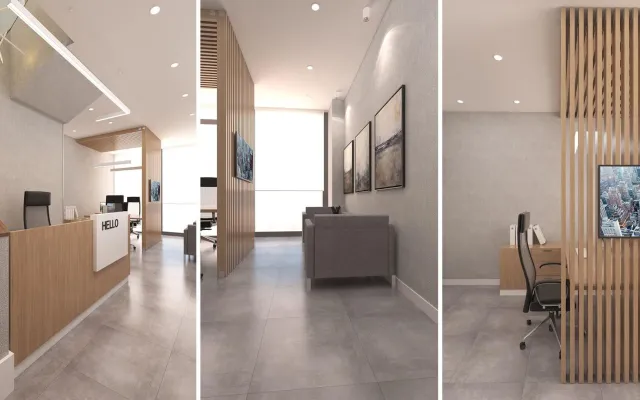
- Colour in offices is pastel and matte, not bright; that sits closer to work that needs deep focus.
- Pieces are linear, simple and useful. A Scandinavian line is a close example for a minimal office.
- An object without a job does not enter the plan.
- A quiet palette makes it easier to feel settled.
- When material and storage sit in place, the workspace stays productive.
Current project: Office Building Design


Office Building Design
Notes for a Minimalist Workspace
- Write the brief first; take out pieces that are not needed.
- Choose a linear, useful desk; cut accessories on the top.
- The chair can sit in the same palette, in a textured cloth (linen, felt); texture gives depth in a spare room.
- Use lidded organizers for clutter on the desk.
- A recline or a simple rest surface adds a break to the workspace.
- A lidded console or shelf is required for files.
- Use daylight first for lighting.
- Keep a pastel palette; keep the colour count low.
- One large image on the wall is enough instead of many small frames.
A spare office is set in the same order from brief to key. As Umut GÜRLER Interior Architecture - Ankara Interior Architecture, we follow that order.
Examples are in minimalist office design examples. A close line is in minimal office decoration. Finished rooms are on the office projects page.
Categories