8 Topics to Consider in Office Design for Software Companies

Large and small software companies made offices familiar with playground colours, open plans and activity corners. That language inspired many teams; others felt their own rooms suddenly looked dated. When decoration ideas first seen abroad arrived in Ankara offices too, the real question changed: is it colour that shortens hierarchy, or how the workspace is planned? Colour alone is not enough. A plan that keeps a team under one roof still leaves room for quiet focus, short meetings and a pause. The eight headings below keep that balance in view for anyone researching a technology office.

1. An atmosphere that supports imagination
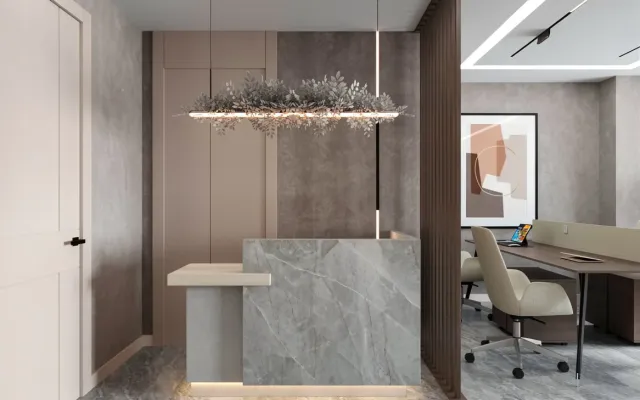
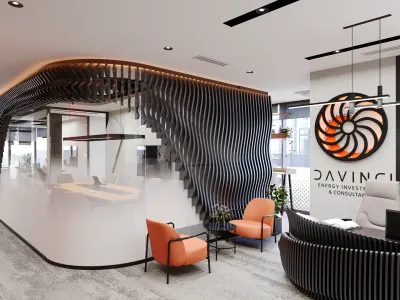
For IT teams whose product comes from knowledge and imagination, the room should allow a change of viewpoint. Use materials you would not normally pair — in measured doses. Graphics, colour and the occasional underground-art piece can enrich an office. Trying to invent an “eclectic interior” the way you write code often produces clutter. Leaving material and scale to an interior architect makes it easier to stay with the software.
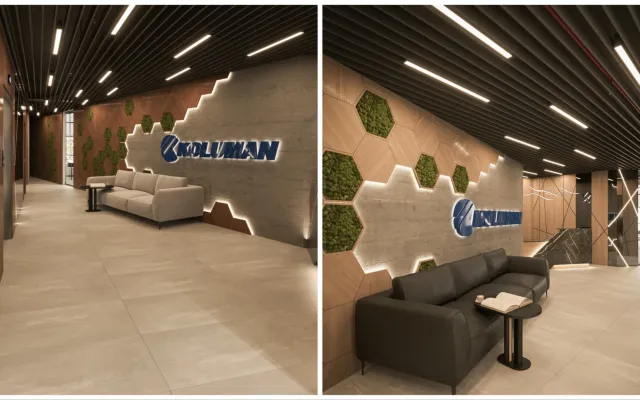
Current project: Koluman Tech


Koluman Tech
2. Lighting: glare and gloom both slow a team
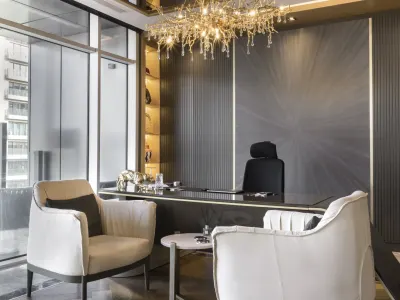
Before you get lost in fixture catalogues, measure how much daylight you can actually use. Software companies are rooms where people stare at screens; poor artificial light wears them down. If the layers are wrong, pace drops — that is not laziness. A cave-dark desk and a flat, harsh ceiling wash tire the eye in different ways.
3. A software office should feel calm and uncluttered
By calm we do not mean calligraphy on the walls or a reed flute on the speakers. Quiet means different things to different people. What we mean is room to breathe together and corridors that are not stuffed with furniture. For software companies, the office is a place where empty space is planned as carefully as the rooms themselves.
4. Open plan: sharing floor area also shares noise
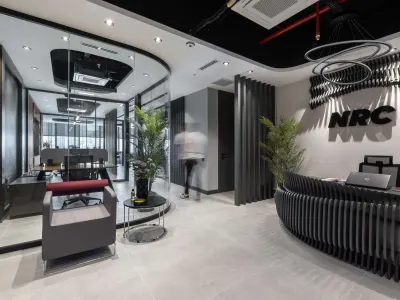
An open plan makes it easier to use the square metres you have and to keep running costs down. Teams sitting close can settle short questions without leaving the desk. That is not an automatic win for every group: people who write code still need a quiet refuge. Do not choose open plan because it looks fashionable. Draw who sits next to whom, and where a door can close.
5. Making the office attractive: play needs a limit
A wall scrabble, a dartboard or, if you have the room, a games console can pull a break away from the desk. That does not have to turn the office into an arcade; a separate corner is enough. Giving people a short game and a way to drop tension can make the place more appealing. Claiming clients will become regulars is a stretch — the real gain is a break that does not require leaving the building.
6. Locking people to one chair is dated
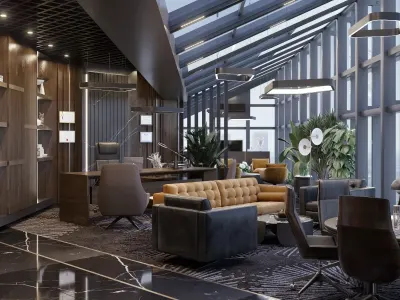
Sitting at the same desk and chair for hours is no longer the only option many teams will accept. A lounge where you can stretch your legs, or a high counter for standing work, changes posture. It can look like a whim. Often the easy way to unblock a problem is to change viewpoint — and sometimes that starts with where the body sits.
7. Modular divisions for a software office
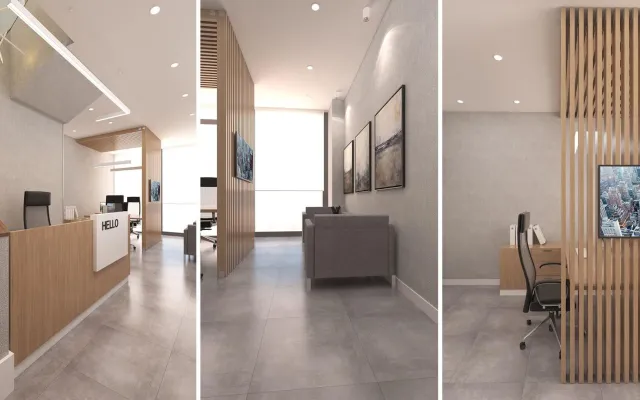
Divide rooms temporarily with movable curtains, panels or similar pieces. A small slide can produce a mini meeting room or a closeable desk. A modular layout lets you adjust as the team grows without knocking walls down.
8. Leave the job to the people who do it
When you plan offices for software companies, outside help is not a luxury; it saves calendar time. Finish the decoration alone and one layer — acoustics, light or how the rooms sit — usually stays thin. You can work with Umut Gürler Interior Architecture — Ankara Interior Architecture on a turnkey path, so interior advice moves beside the software schedule.
More on technology workplaces: future office design and modern offices for software firms. Built work lives on the office projects page.