How Are Patient Privacy and Wayfinding Achieved in a Clinic?

Why does patient privacy require a design decision in a clinic?
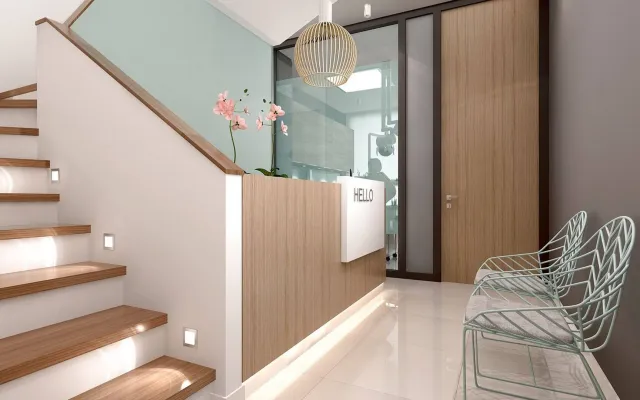
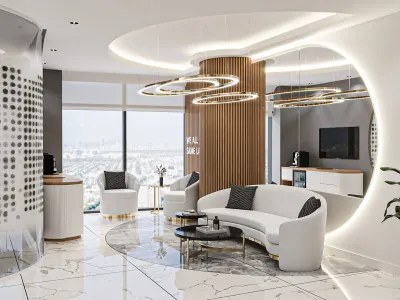
A patient moving from the waiting area to the treatment room should not witness another patient's consultation or treatment; this is achieved not just by closing a door, but by the corridor layout.
Patient privacy is therefore established in clinic design by planning corridor width, room order and sightlines together.
What are the design decisions that establish privacy?
The table below shows the main decisions that affect privacy.
| Area | Risk | Solution |
|---|---|---|
| Waiting-corridor boundary | Sightline stays open | Gradual transition, visual buffer |
| Room door order | Interior is visible when door opens | Hinge direction, entry angle |
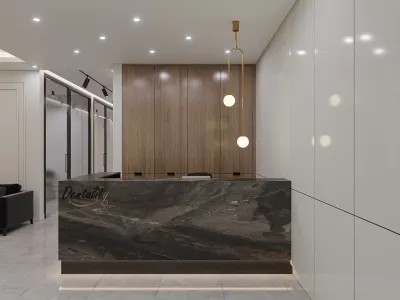
| Reception-waiting distance | Conversation can be heard | Sufficient distance, acoustic material |
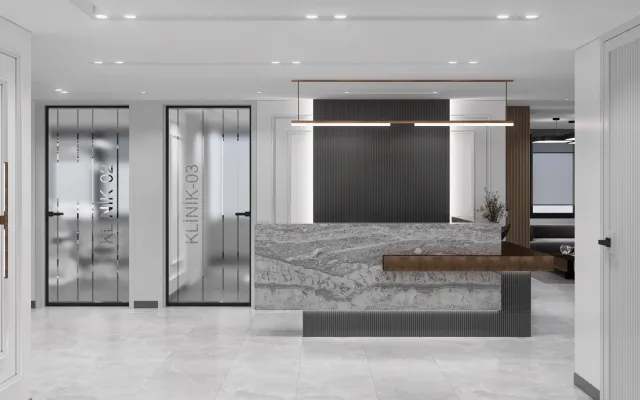
| Wayfinding panel | Patient heads to the wrong door | Clear signage at eye level |
Why is wayfinding a separate planning topic?
If a clinic has more than one unit or specialty, the patient must clearly know which door to go to; unclear wayfinding creates crowding and confusion in the waiting area. This is why the wayfinding panel, room numbering and corridor lighting are planned together.
This planning matters even more as the number of rooms increases; in our article on clinic design by district, we also touched on how different building types affect wayfinding. We covered how many treatment rooms fit in a clinic in a separate article.
Should privacy and wayfinding be considered together?
Yes; narrowing a corridor for privacy can make wayfinding harder, which is why the two should be established in the same plan, balancing each other.
Umut GÜRLER is an interior architect and a graduate of Çankaya University Interior Architecture; he has worked since 2009 (more than 17 years) on villa, apartment, office and clinic interiors in Ankara, and his office is in Cepa Ofis Kule. The example in this article comes from a clinic project he has completed.
Frequently asked questions about patient privacy in a clinic
Is patient privacy achieved only with a door?
No, corridor width, room order and sightlines also determine privacy.
Why does the distance between reception and waiting area matter?
Without sufficient distance and acoustic material, conversations can be heard in the waiting area.
Where should the wayfinding panel be placed?
It should be placed clearly, at eye level, so the patient does not head to the wrong door.
Why does wayfinding get harder with multiple units?
If the patient does not know which door to go to, crowding and confusion occur in the waiting area.
Is narrowing the corridor for privacy correct?
No, this can make wayfinding harder; the two should be balanced in the same plan.